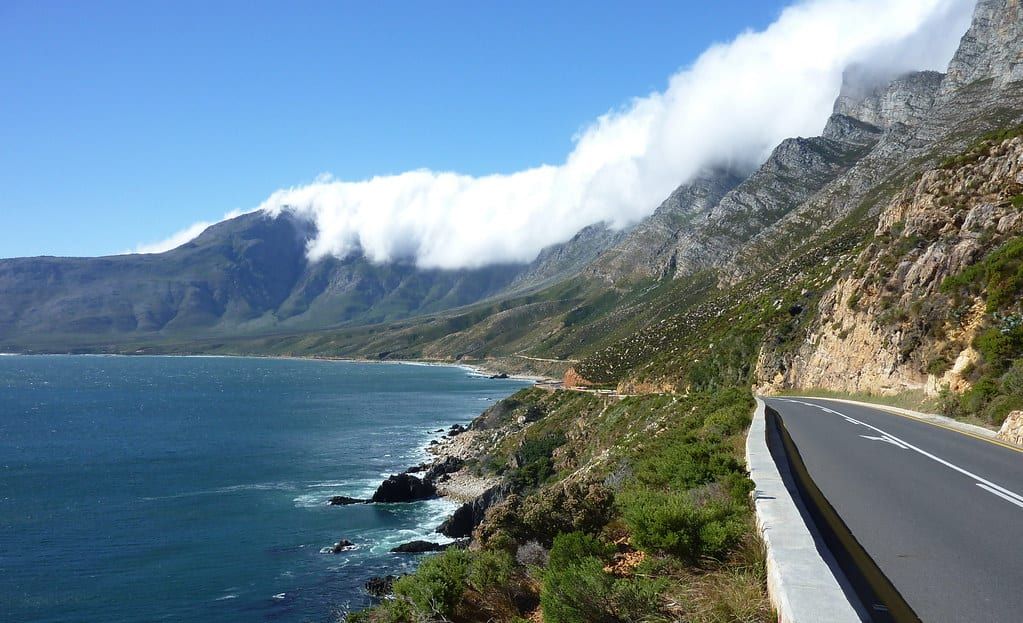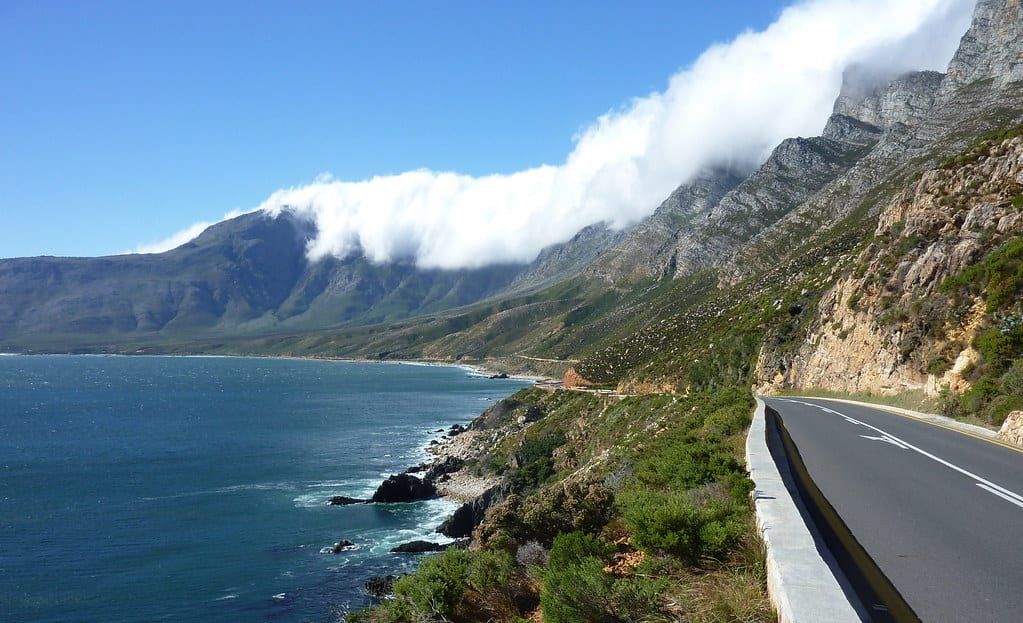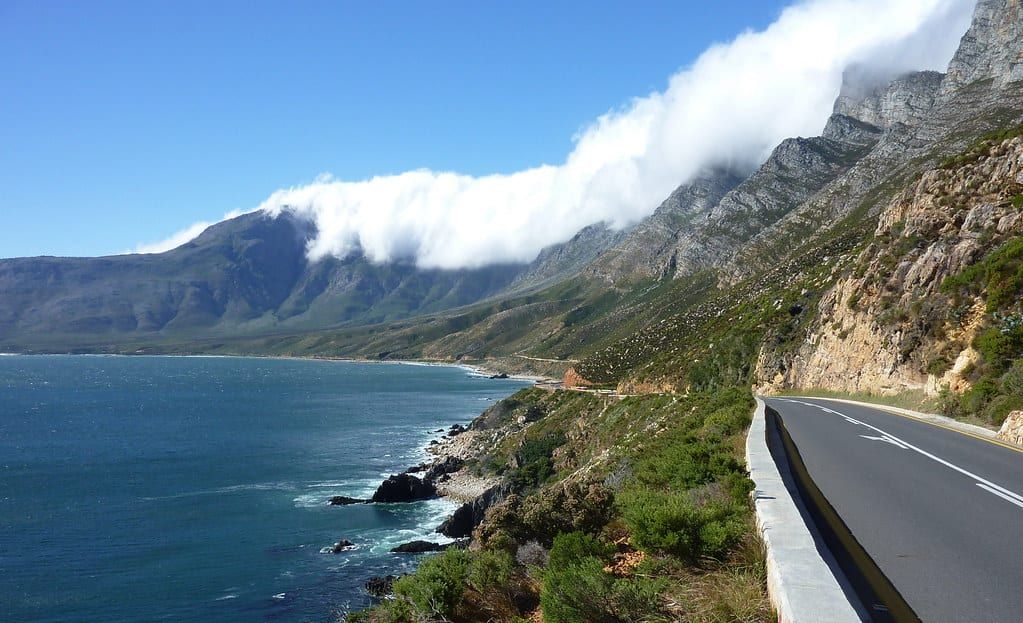
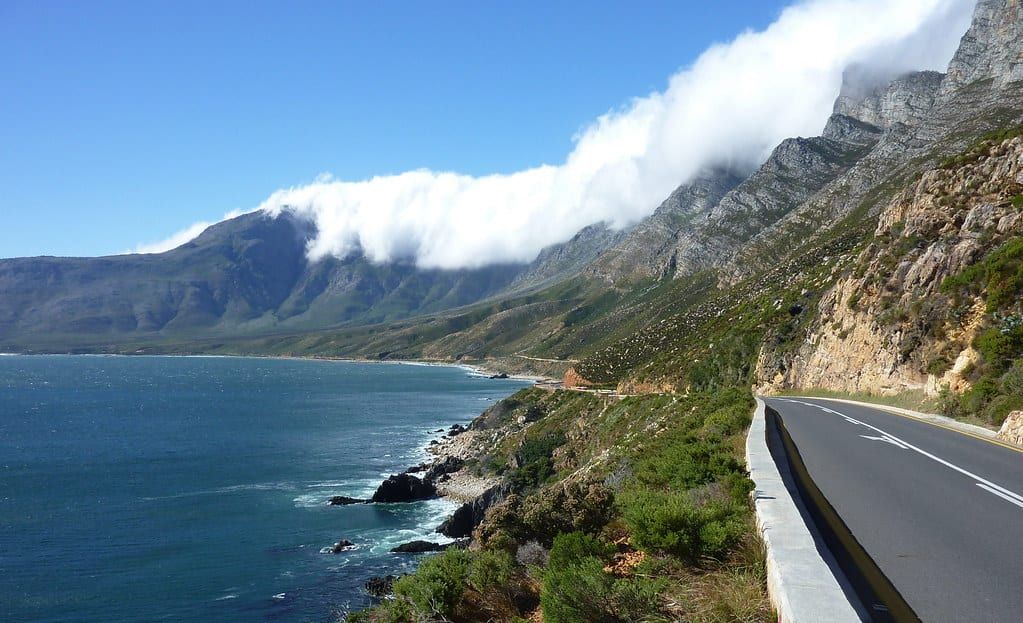
Ten days is the right length for the Garden Route — long enough for two-night bases at the activity hubs, short enough to fit a single holiday's leave. This plan runs east from Cape Town to Gqeberha (Port Elizabeth), sleeps in six bases, and ends with elephants in Addo. Every driving time and park fee below is checked against the official SANParks and CapeNature rates, so you can book from it directly.
10-Day Garden Route at a Glance
| Days | Base | What you're there for | Drive to next base |
|---|---|---|---|
| 1–2 | Cape Town | Table Mountain, V&A Waterfront, winelands option | 1.5 h to Hermanus |
| 3–4 | Hermanus / Gansbaai | Cliff-path whales, shark cage diving, Stony Point penguins | ~3 h to Mossel Bay |
| 5–6 | Mossel Bay or Oudtshoorn | Dias Museum, St Blaize trail / Cango Caves, meerkats, ostriches | 40 min to Wilderness |
| 7–8 | Knysna (via Wilderness) | Canoeing, Map of Africa, the Heads, Featherbed, lagoon cruise | 25 min to Plettenberg Bay |
| 9–10 | Plettenberg Bay | Robberg hike, Crags sanctuaries, Tsitsikamma, Bloukrans | 2 h to Gqeberha |
A word on definitions, because it trips people up. The official Garden Route is the roughly 200 km of coastline between Mossel Bay and Storms River — you could drive it non-stop in under three hours, which would be a waste. The trip this itinerary covers is the full Cape Town–Gqeberha corridor with detours, closer to 900 km end to end, and that's what most international visitors mean when they say "Garden Route holiday." If you're working with less time, the seven-day version cuts Cape Town to one night and drops either the Whale Coast or the Klein Karoo.
Why ten days rather than seven? Pace. A seven-day run forces single-night hops — pack, drive, unpack, repeat — and leaves no slack for a slow morning in Knysna or a second go at Robberg when the weather turns. Ten days gives every major base two nights. A 14-day itinerary adds Cape Town days at the front, a slower Oudtshoorn loop, and a second night in Addo; if elephants are the point of your trip, that's the version to build.
This plan suits self-driving couples and small groups with a moderate activity level. Nothing here needs a 4x4 or a permit beyond ordinary park entry, and the longest single driving day is about three hours. If you'd rather not drive at all, guided tours from Cape Town run the same corridor in three to five days.
Key Decisions Before You Drive
Four questions decide the shape of the trip, and it's worth settling them before you book anything. Which way to drive, which month to go, whether you need a car, and how far ahead to lock in beds.
Direction: east or west?
Drive east, Cape Town to Gqeberha, if you're flying into Cape Town — which most international visitors are. The trip then warms up gently: city, whales, caves, forests, and finishes with the strongest card, an Addo safari. Westbound works if you land in Gqeberha. Either way you face the same arithmetic: return the car where you collected it and you're signing up for a drive back of nearly seven hours, or pay a one-way drop fee of roughly R1,800 and fly out of your ending city. The drop fee is almost always the better deal.
When to go
Southern right whales work Walker Bay from June to November, with numbers peaking July through September — if whales are your priority, book September and spend your two flexible nights in Hermanus. November to March is beach season, hot and busy, with December and January the most crowded and expensive weeks on the whole coast; book those months months ahead. April–May and September–October are the quiet bargains: 18–25°C days, lower rates, and (in September) both whales and the first wildflowers. July also brings the Knysna Oyster Festival, ten days of shellfish and queues.
Car or no car?
A rental is the practical answer — the route is South Africa's most popular self-drive for good reason, and the sights between towns (Map of Africa, Stony Point, the Crags) don't sit on bus routes. Without a car, Baz Bus has run a hop-on-hop-off backpacker service between hostels on the route since 1995, and Intercape coaches link George, Knysna and Plettenberg Bay on to Gqeberha. Both work; neither gets you to a meerkat sunrise. Rentals run about R350–700 a day in season, and George Airport — a 50-minute flight from Cape Town — is a sensible mid-route pickup point if you want to skip the first four hours.
Booking ahead or as you go
For December–January, Easter and the September whale peak, book everything before you leave home — popular guesthouses in Hermanus, Knysna and Plettenberg Bay fill completely. Outside those windows, book your first two nights and the SANParks accommodation, then decide the rest on the road. Our Garden Route accommodation guide breaks down the picks town by town.
Days 1-2: Cape Town & the Car Pickup
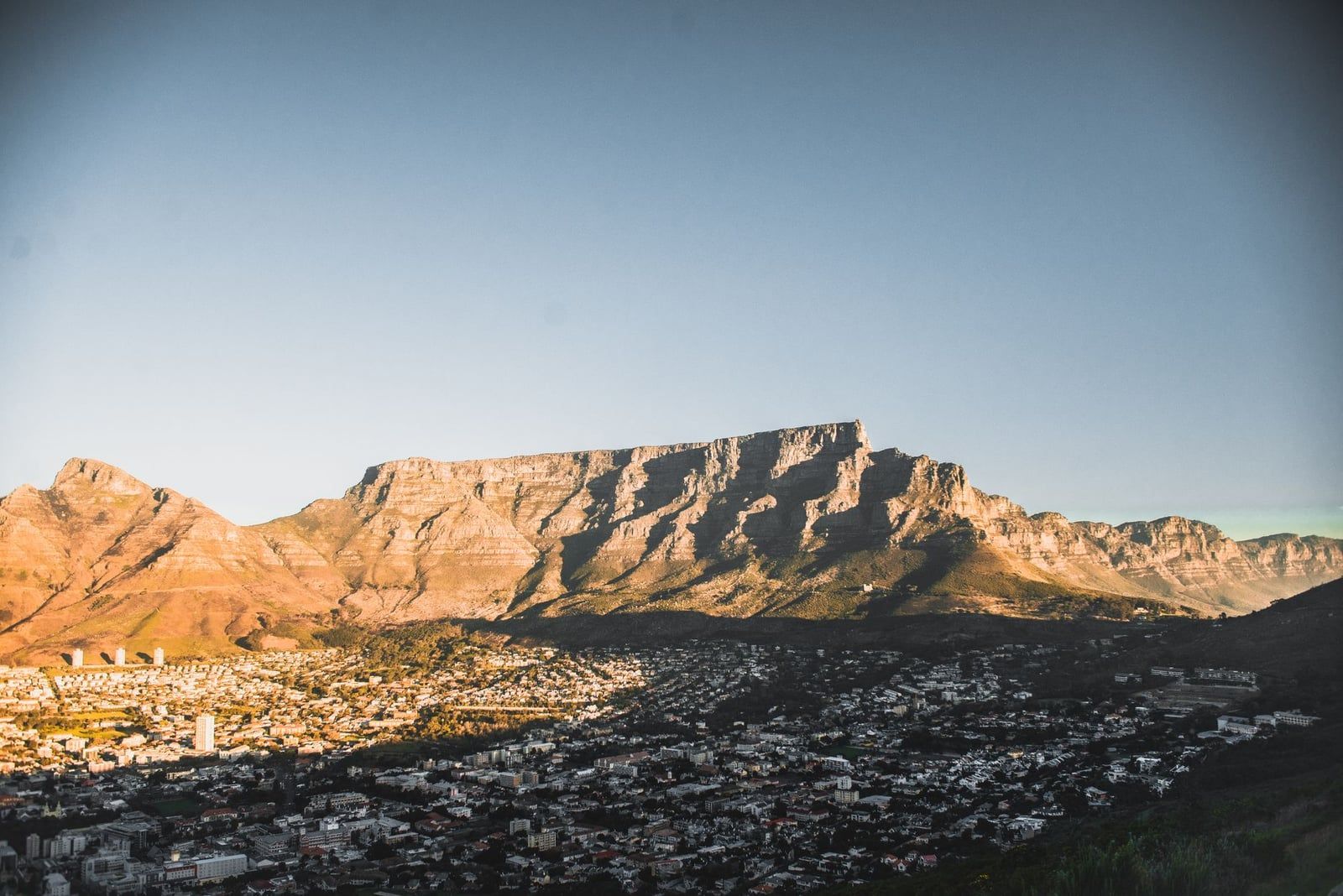
Use the first two days for Cape Town itself and collect the car only when you're ready to leave — airport parking and city parking both cost more than the airport shuttle. Day one: the Table Mountain cableway for orientation (book the first slot up; the queue triples by mid-morning), then the V&A Waterfront for the evening. Day two, pick a half: the Cape Peninsula drive or the city bowl and Bo-Kaap. The hire companies cluster at Cape Town International, so a clean exit is to take the shuttle out on the morning of day three and stock up before the N2.
Do that stocking seriously. Supermarkets, pharmacies and gear shops thin out fast once you're past Swellendam — buy sunscreen, a sim card, a cooler bag and any trail snacks here. If you'd trade a second Cape Town day for wine, the alternative is a Stellenbosch–Franschhoek day on the way east: full-day winelands tours call at up to six cellars, and Franschhoek runs a hop-on-hop-off wine tram between them. It adds roughly an hour to day three's drive but removes the backtracking a separate winelands trip would need.
Days 3-4: Whale Coast - Hermanus & Gansbaai
Leave Cape Town early and take the R44, not the N2. Clarence Drive hugs the False Bay cliffs for about an hour of free scenery — the coastal alternative to Chapman's Peak Drive, and toll-free — and drops you at Betty's Bay for the Stony Point penguin colony. Entry is R40 per person, against R215 at Boulders Beach on the Peninsula, and the boardwalk puts you close to a large breeding colony. From there it's under an hour to Hermanus, about 1.5 hours from Cape Town in total.
Hermanus: whales from the cliff path
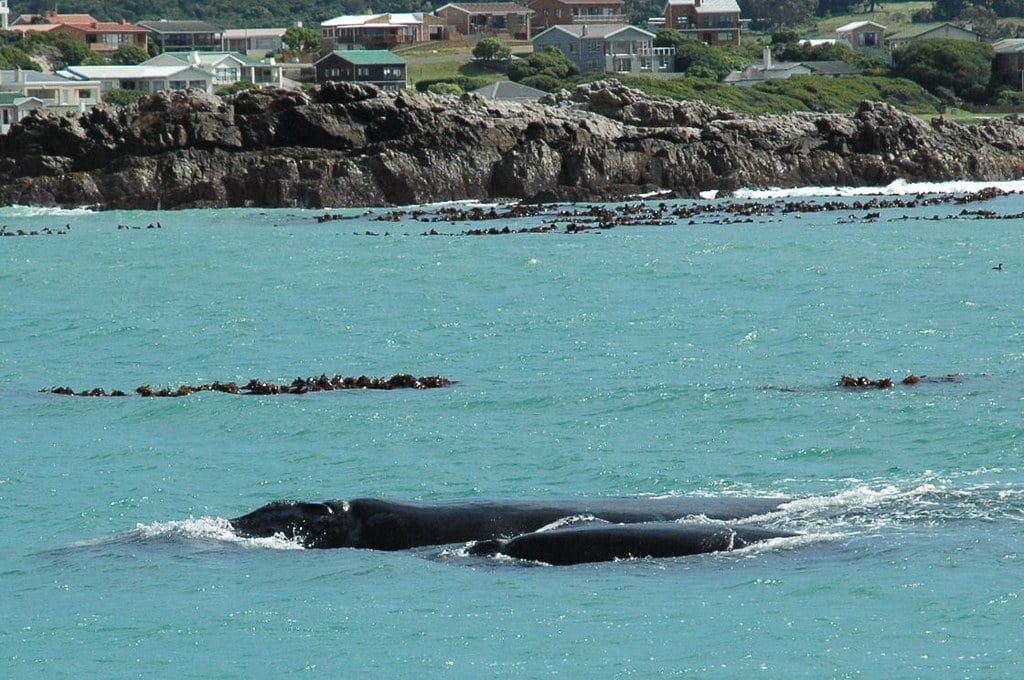
Hermanus is the world's best shore-based whale watching, and it costs nothing. The cliff path runs for kilometres along Walker Bay, and between June and November southern right whales calve so close to shore you hear them blow before you see them. The town even employs a whale crier who blows a kelp horn when pods appear. In season, give this a full morning — walk the path between Gearing's Point and Grotto Beach and let the whales set the schedule. Boat tours run from the harbour if the animals stay offshore. Off-season, Gansbaai is the reason you're here.
Gansbaai: sharks and the Marine Big 5
Gansbaai, 45 minutes south, is South Africa's cage-diving capital — Marine Dynamics and a handful of other operators run trips to Dyer Island. If diving with great whites isn't your thing, the roughly 2.5-hour Marine Big 5 boat tour covers whales, seals, dolphins, penguins and sharks in one loop of the island group. Base in Hermanus either way: it's the better-developed tourist town, with more restaurants and a wider range of places to stay than workaday Gansbaai.
Days 5-6: Mossel Bay & the Klein Karoo
Hermanus to Mossel Bay is the trip's longest single drive, about three hours on the N2 — leave after breakfast and you'll arrive for lunch. Mossel Bay is the official western gateway of the Garden Route, and the Bartolomeu Dias Museum Complex marks the beach where Dias landed in 1488, anchored by the 500-year-old Post Office Tree. Give it an hour, then walk the Cape St Blaize trail: two to three hours round trip along the clifftops past the lighthouse, with dolphins and (in season) whales below.
The Oudtshoorn decision
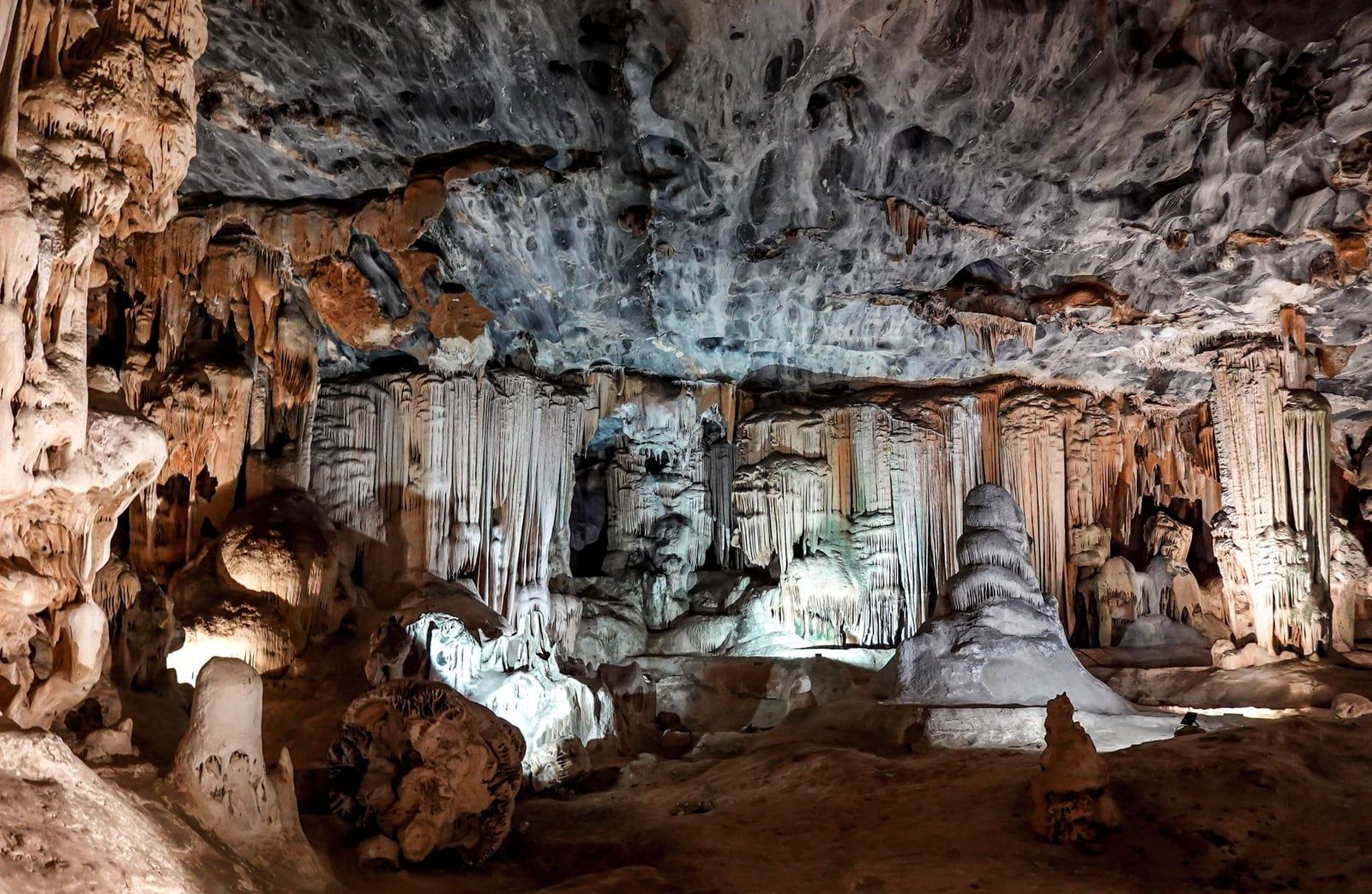
Here's the fork in the itinerary. Option one: both nights in Mossel Bay — beaches, paragliding, and a slow coastal pace. Option two, which I'd take: drive the 55 km over the Outeniqua Pass (about 40 minutes) to Oudtshoorn in the Klein Karoo and sleep among the ostrich farms. The Cango Caves, Africa's largest show-cave system, sit just outside town; the standard Heritage Tour is an easy hour, departing hourly 09:00–16:00, R150 adult and R100 per child. The Adventure Tour that crawls through the narrow passages has been temporarily unavailable, so check the current status before you promise anyone the squeeze. Add a sunrise meerkat tour (2–3 hours, book the day before) and an hour-long tractor tour at an ostrich show farm, and Oudtshoorn earns its two nights easily.
The scenic way to do it is Route 62, the inland road through the Breede River Valley and Klein Karoo — dramatic passes, wineries, and small towns with actual character, rather than repeating the N2. Coming from the Hermanus side, the Cango Caves area is roughly 420 km and five hours of driving, so treat Route 62 as the whole of day five's journey rather than a detour. Whichever you choose, day six ends with the drive back over the pass or up the coast — Mossel Bay to Wilderness is only 50 km, about 40 minutes.
Days 7-8: Wilderness, Sedgefield & Knysna
The middle of the route swaps the open road for water and trees. These two nights are the least driving and the most options of any leg — decide each morning whether you're a paddler, a hiker or a passenger.
Wilderness and Sedgefield
Wilderness is the calm stretch — lakes, the Touw River, and forested hills — and it deserves your first morning, not a drive-by. The classic combo from Eden Adventures is a canoe up the river followed by the Half-Collared Kingfisher Trail, 2.5 km of boardwalk to a waterfall; count on 3–4 hours in total, and about R350 for half a day's two-seater canoe rental if you go independent. For the view instead of the paddle, the Map of Africa viewpoint above Wilderness shows the river looping through the hills in a shape that named itself. Sedgefield, 15 minutes east, brands itself South Africa's slow town — a good coffee stop, and the local paragliding operators launch off the dunes here when the wind is right.
Knysna: the Heads and the lagoon
Knysna sits on an estuary guarded by two sandstone cliffs, the Heads, and the free Eastern Head viewpoint at sunset is the town's best free hour. The Featherbed Nature Reserve on the Western Head runs a four-hour experience — lagoon cruise, guided walk and a meal — that's the easiest way onto that side. On Thesen Island, the SANParks aquarium tank holds live Knysna seahorses, a species found in only three estuaries on Earth, all of them here on the Garden Route. Between the islands and the water's edge, Knysna's July Oyster Festival has been running since 1983; outside festival fortnight, the waterfront still does a very good dozen.
Two notes for this leg. Ocean Odyssey, operating from the Knysna waterfront, is one of the few whale-watching companies in South Africa permitted to approach whales closely — a genuine alternative to Hermanus, with dolphins and seals year-round. And if you fancy the old road, the 7 Passes Road between George and Knysna is the 75 km original Garden Route drive through indigenous forest. It's gravel; after rain, don't attempt it without a 4x4, and the N2 does the same hop in half the time.
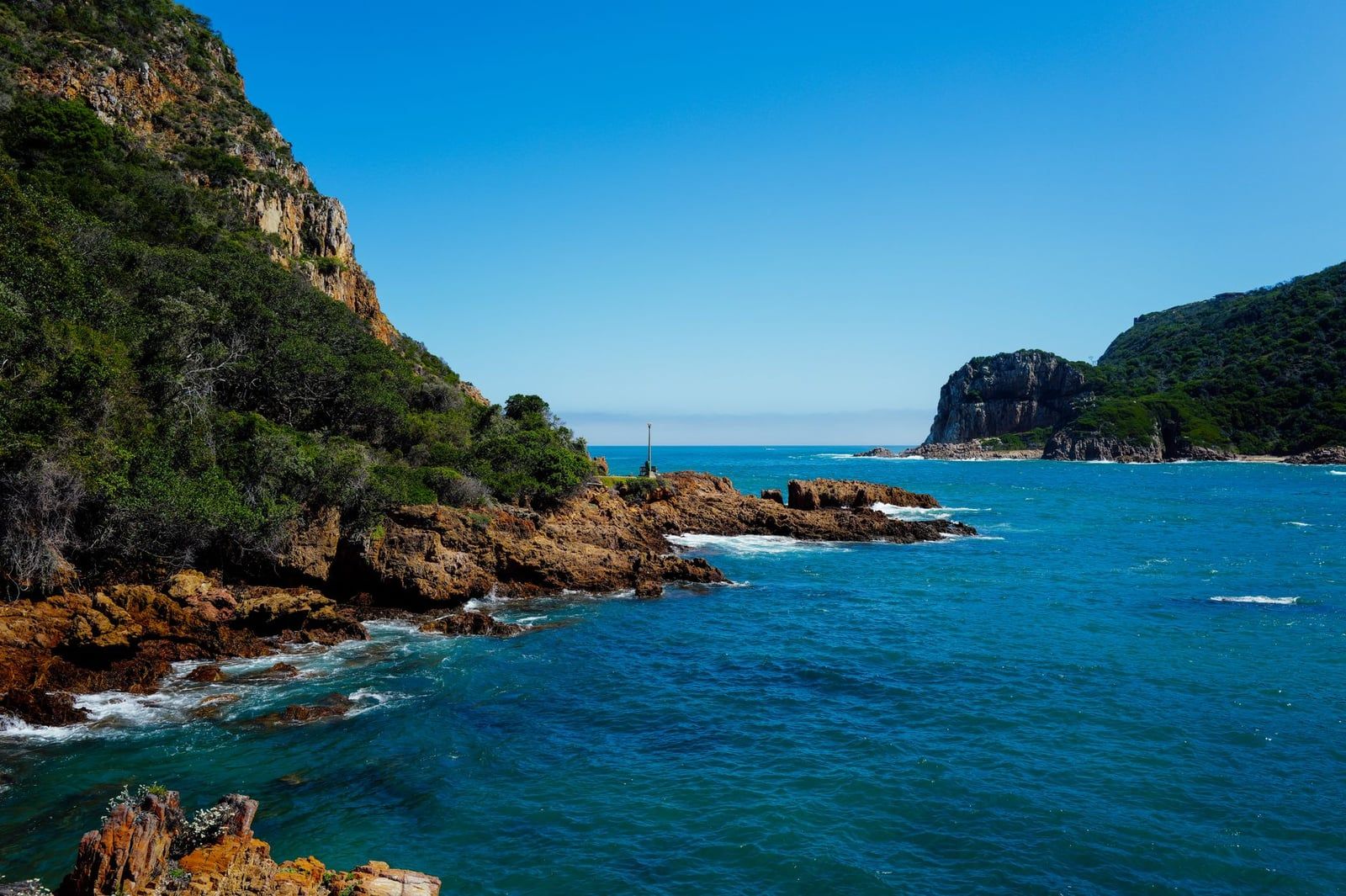
Days 9-10: Plettenberg Bay, Nature's Valley & Tsitsikamma
Knysna to Plettenberg Bay is 32 km and about 25 minutes — base here for both final nights, because everything in this section sits within an hour of Plett. The Garden of Eden boardwalk on the N2 between the two towns makes a leg-stretch stop, 800 m of flat forest under giant yellowwoods and wheelchair accessible.
Robberg Nature Reserve
Robberg is the best half-day walk on the route. The full Point circuit is 8.7 km with about 280 m of climbing, taking around 2.5 hours past a loud Cape fur seal colony, the Witsand dune and cliff edges where dolphins and (June–November) whales pass below; a mid-peninsula shortcut roughly halves it. Walk clockwise past the Gap so you're not trudging up 80 m of loose sand near the end. Entry costs around R65–75 at the gate, card preferred — CapeNature, so SANParks' Wild Card doesn't apply here. Arrive by nine: the car park fills in season, and the reserve closes to new entries in the hour before closing (07:00–20:00 in summer).
The Crags sanctuaries
On the N2 east of Plett, the Crags clusters Monkeyland (free-roaming primates), Birds of Eden (a huge free-flight aviary) and Jukani's big cats on one stretch of road — a rainy-day morning sorted, and easy with kids. Tickets are sold separately and combinations exist; a full set will eat most of a day, so pick one or two rather than all of them.
Tsitsikamma and Storms River
Tsitsikamma National Park, an hour east of Plett, is the finale, and the Storms River Mouth is its centrepiece: a boardwalk through coastal forest to suspension bridges spanning the river gorge, about 20 minutes return from the rest camp car park — allow longer, because you'll stop and stare. International adults pay R367 per day (South Africans R82), and gates run 07:00–18:00 in summer, 08:00–17:00 in winter, enforced without exceptions. The signature activity is Untouched Adventures' kayak-and-lilo trip paddling up the gorge itself, R810 per person; the boat trip deeper upriver on the extended Anvil tour is R1,500. Book the kayak ahead in season — it's the one activity here that sells out.
Two more options bracket the day. Bloukrans Bridge, right on the N2, carries the world's highest commercial bridge bungy at 216 m; non-jumpers can walk the Sky Walk out to the platform or watch from the deck. And hikers with a spare morning can walk day one of the Otter Trail from Storms River Mouth westward and back — a taste of the famous five-day route without committing to its R2,561 fee and year-ahead booking race.
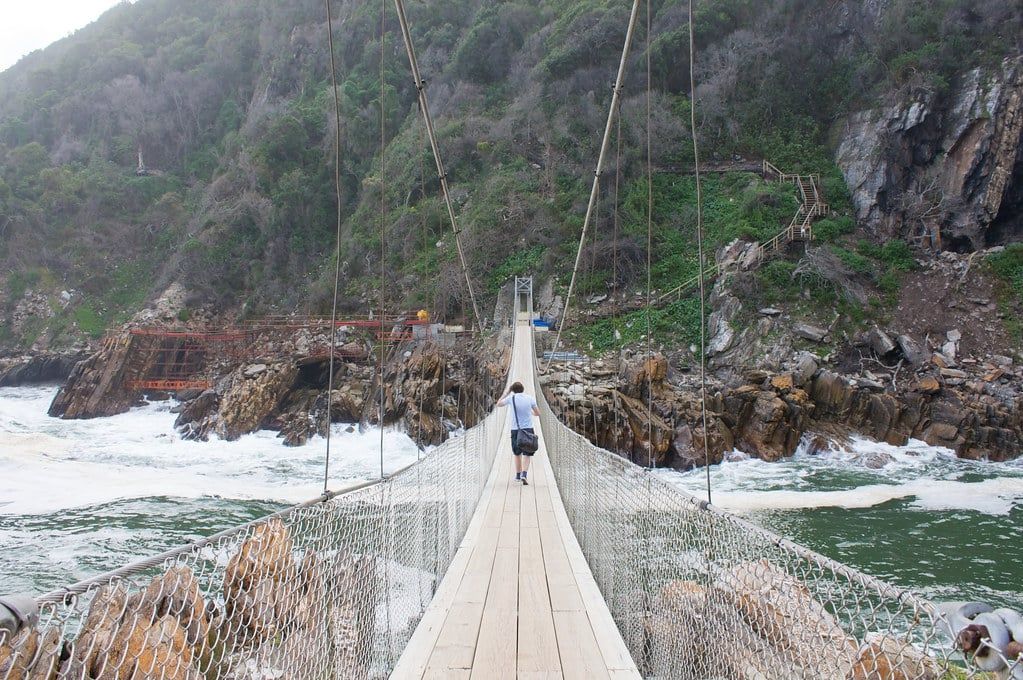
Driving Times, Park Fees & Budget
| Leg | Distance | Time |
|---|---|---|
| Cape Town → Hermanus (R44) | ~120 km | 1.5 h |
| Hermanus → Mossel Bay (N2) | ~280 km | ~3 h |
| Mossel Bay → Wilderness | 50 km | 40 min |
| Wilderness → Knysna | 45 km | 35 min |
| Knysna → Plettenberg Bay | 32 km | 25 min |
| Plettenberg Bay → Storms River → Gqeberha | 68 km + 190 km | 50 min + 2 h |
The pattern to notice: after day five's long haul, no leg exceeds an hour until the final run to Gqeberha. That's the whole argument for ten days — you stop planning your days around the car. SANParks daily conservation fees for international adults (valid 1 November 2025 to 31 October 2026) are R367 at Storms River Mouth, R235 at Wilderness, R231 for the Knysna lakes area and R165 at Nature's Valley; South African citizens pay R61–82 at the same gates. Addo costs R492 for international adults. A Wild Card covers every SANParks fee on this list and pays for itself if you're visiting three or more sections — check current hours and fees before you go, since tariffs change each November.
Daily budgets: roughly $65–90 per person per day on a budget — hostels, self-catering, the free sights — and $110–180 mid-range including a decent guesthouse, restaurant dinners and the car. On top of that, price in the big-ticket activities: the Storms River kayak-lilo at R810, the Marine Big 5 boat at similar money, and the Bloukrans bungy if you must. Robberg, the Hermanus cliff path, Clarence Drive and Map of Africa cost nothing.
Finishing the Route: Addo Safari, Gqeberha & the Drive Back
The route officially ends at Storms River, but almost nobody stops there. The last stretch east delivers the trip's wildlife climax and then poses one final logistics question — how to get home without repeating 900 km.
Addo Elephant National Park
Storms River to Gqeberha is 190 km, about two hours, and Addo sits within an hour of the city — most Baz Bus itineraries put it 45 minutes out. Self-drive the park in a regular rental car (international adult fee R492, South Africans R110; note SANParks has fee and booking changes posted for Addo from October 2026) or take a guided game drive from Gqeberha and let someone else track. Either way, half a day is enough for elephants; the densest sightings cluster around the waterholes in the heat of the afternoon. It's a Big Five park and a malaria-free one, which is why it's the standard finale for families. Break the drive with a stop in Jeffreys Bay, the surf town whose right-hand point break made it famous — an hour's leg-stretch and a look at Supertubes from the beach.
Getting home
Three ways to finish, in order of sanity. One: drop the car in Gqeberha and fly out — the one-way fee of roughly R1,800 is less than a week of your time is worth. Two: drive back to Cape Town, nearly seven hours on the N2, which only makes sense if you're combining with more time in the Cape or repatriating the car free of charge. Three: fly Cape Town to George, rent there and drive one-way east — sometimes cheaper than the full Cape Town rental, and it skips the four hours of N2 you've already seen. Whatever the maths, our Garden Route tours cover the same ground if the logistics lose their appeal.
And if ten days becomes fourteen? Add a second Addo night for proper game drives, take two nights in Oudtshoorn for the Swartberg Pass, and slow the whole thing down by a night in Nature's Valley. The one extension that needs early action is the Otter Trail itself: five days, four nights, 42.5 km from Storms River Mouth to Nature's Valley, capped at 12 hikers a day and booked only through SANParks, within an 11-month window, usually selling out on the day it opens. If that's on your list, build the rest of the trip around it.
Frequently asked questions
Is 10 days the right length for a Garden Route trip?
Ten days is widely considered the sweet spot. It gives you two-night bases at the activity hubs — Hermanus, Knysna or Wilderness, and Plettenberg Bay — plus Cape Town at the start and an Addo safari at the end, without the single-night hops a seven-day trip forces on you.
Which direction should you drive the Garden Route?
Either direction works, but eastbound from Cape Town suits most international arrivals and ends with the Addo safari. Finishing in a different city means paying a one-way rental drop fee of about R1,800 instead of driving nearly seven hours back to Cape Town.
How much does a 10-day Garden Route road trip cost?
Roughly $65–90 per person per day on a budget and $110–180 mid-range, including car, accommodation and food. Add park fees (R367 international adult at Storms River Mouth, R492 at Addo) and activities such as the Storms River kayak-and-lilo trip at R810.
Can you do the Garden Route without renting a car?
Yes. Baz Bus has run a hop-on-hop-off service between hostels on the route since 1995, and Intercape coaches link the main towns. But the big sights sit between towns, so a rental car remains the most flexible option.
When is whale season on the Garden Route?
June to November, with numbers peaking July through September. Hermanus' cliff path is the top shore-based spot; Ocean Odyssey's Knysna boats are the close-encounter alternative. Dolphins and seals appear year-round.
Do you need a 4x4 or special permit to drive the Garden Route?
No. All the main roads are sealed and you drive on the left with an ordinary licence. The only caution is gravel scenic roads such as the 7 Passes Road, which shouldn't be attempted after rain without a 4x4. Park entry requires just the daily conservation fee.
Should you book Garden Route accommodation in advance?
Book ahead for the December–January peak, public holidays and the September whale season, when popular lodges and hostels fill completely. Outside those periods, many travellers book only the first night or two and stay flexible.
Is it safe to self-drive the Garden Route?
Yes, with standard precautions. Drive in daylight — the roads are unlit at night and livestock and pedestrians are common — keep valuables out of sight, park in secure areas, refuel at major stations, and download offline maps since coverage drops on forest side roads.