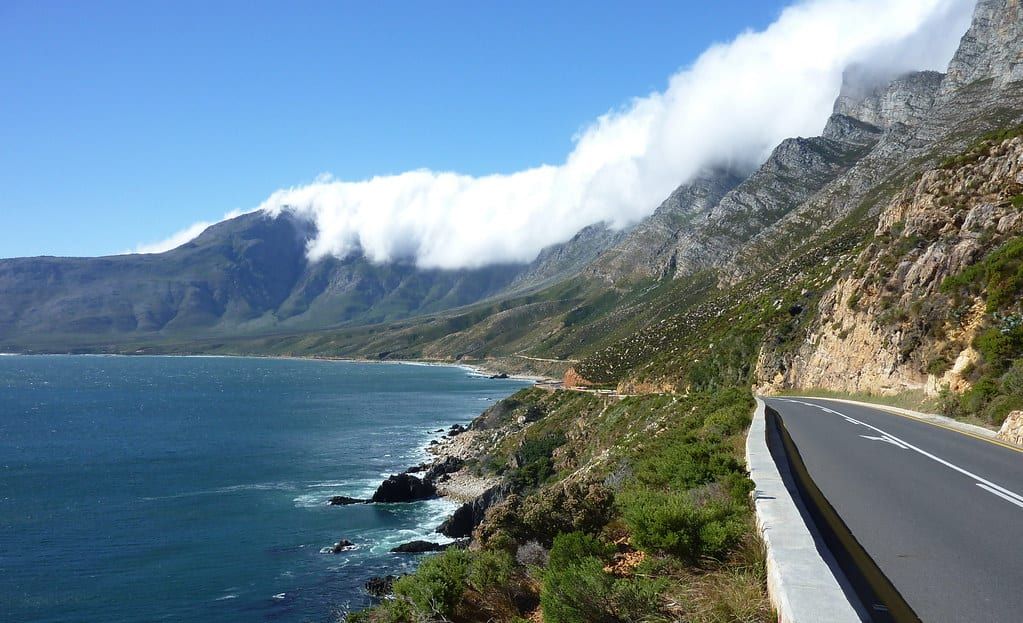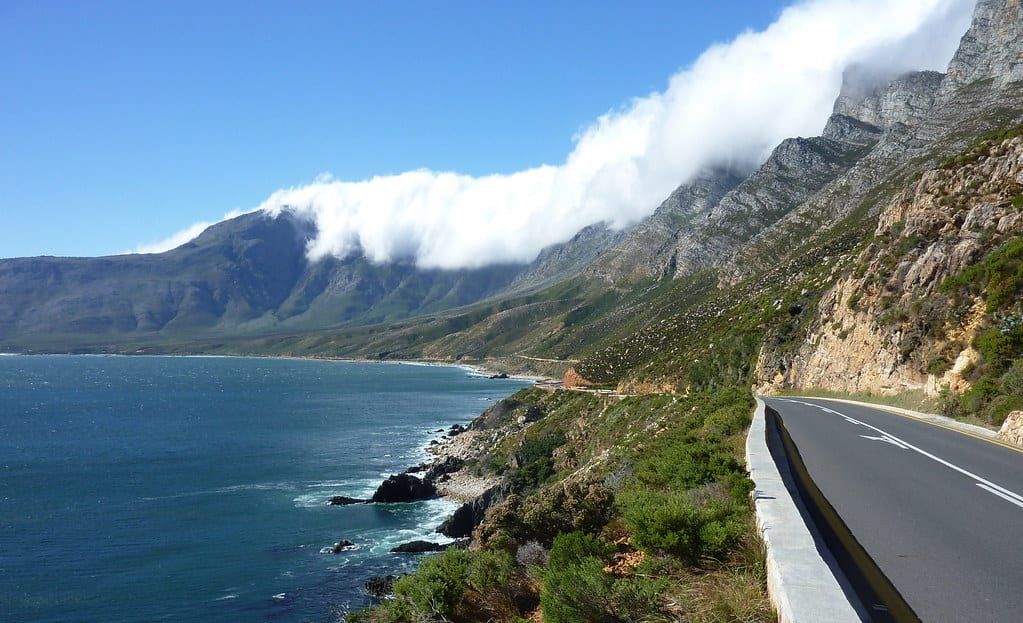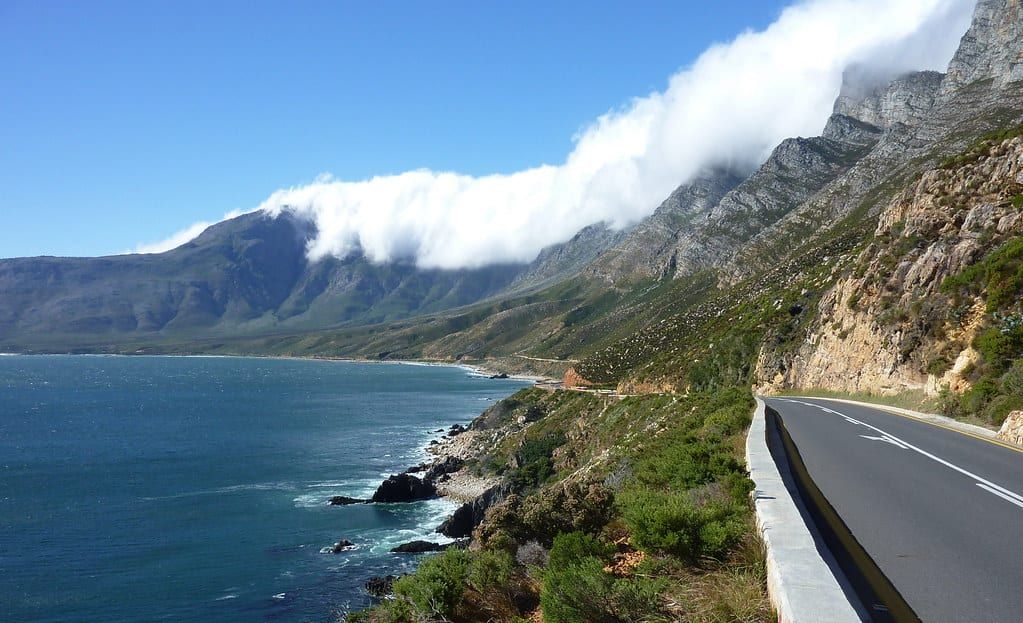
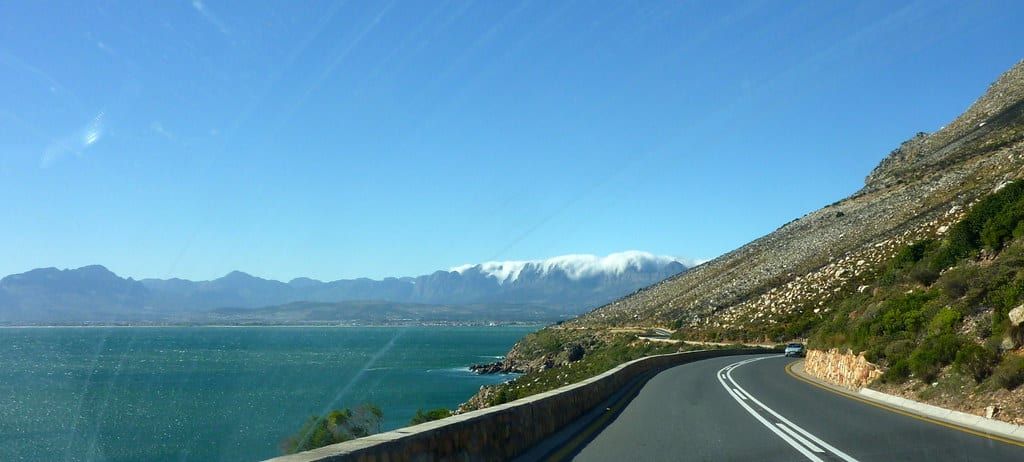
The Garden Route squeezes beach, indigenous forest, lakes and a safari add-on into roughly 200 km of South Africa's south coast — Mossel Bay to Storms River on the N2, with the Outeniqua mountains on one side and the Indian Ocean on the other. Most travellers fly into Cape Town, pick up a rental car and drive east over four to seven days. Below, the stops ranked in the order we'd do them, with current entry costs, realistic durations and the logistics that decide the trip. If you'd rather not drive at all, you can compare guided Garden Route tours that cover the same ground.
Where the Garden Route starts and ends (and why it's worth it)
The route officially starts in Mossel Bay and ends at Storms River, about 200 km east on the N2 (a broader definition stretches it to 300 km from Witsand). Either way, the stops are the trip: that core leg takes just 2–3 hours non-stop. Most people start further back. Cape Town is the default gateway, 385 km and about four hours from Mossel Bay, and the full Cape Town–Gqeberha drive is roughly 750 km, or 8.5 hours without a single stop. George Airport, a 50-minute flight from Cape Town, is the mid-route alternative and saves half a day of driving. Full transport options are in our guide on how to get to the Garden Route.
Drive west to east if you can. The route builds — beaches and lakes, then forest, then the Tsitsikamma cliffs — and ends two hours short of Addo, the natural safari finale. Town orientation, west to east: Mossel Bay (historic harbour, sheltered swimming), George (airport and commercial hub), Wilderness (lakes and slow rivers), Knysna (the Heads, oysters, forest), Plettenberg Bay (beaches and Robberg — the best multi-night base), and Storms River (Tsitsikamma and the adventure operators). Oudtshoorn sits 55 km inland over the Outeniqua Pass.
Worth it? Yes, for the density: fynbos, estuaries, giant yellowwood forest and swim-safe beaches inside 200 km of two-lane road. What it is not is a Big Five wilderness — treat safari as an add-on at Addo, not the main event. If you start in Mossel Bay, budget half a day: the Bartholomeu Dias Museum Complex holds a life-size replica of the caravel Dias sailed past this coast in 1488, plus a shell museum and small aquarium; Santos Beach is a calm swimming cove; and the Cape St Blaize cliff path doubles as a free land-based whale watch in season.
The best things to do on the Garden Route at a glance
Ranked, west to east in our order of preference — each gets a full section below:
- Storms River Mouth, Tsitsikamma — suspension bridges and gorge kayaking; R367 entry
- Robberg Nature Reserve, Plettenberg Bay — peninsula hike past 6,000 seals; R65
- Whale watching by boat — Knysna or Plettenberg Bay, June–November
- The Knysna Heads at sunset — free, and best from the water
- Bloukrans Bridge bungy — 216 m, the world's highest commercial bridge jump
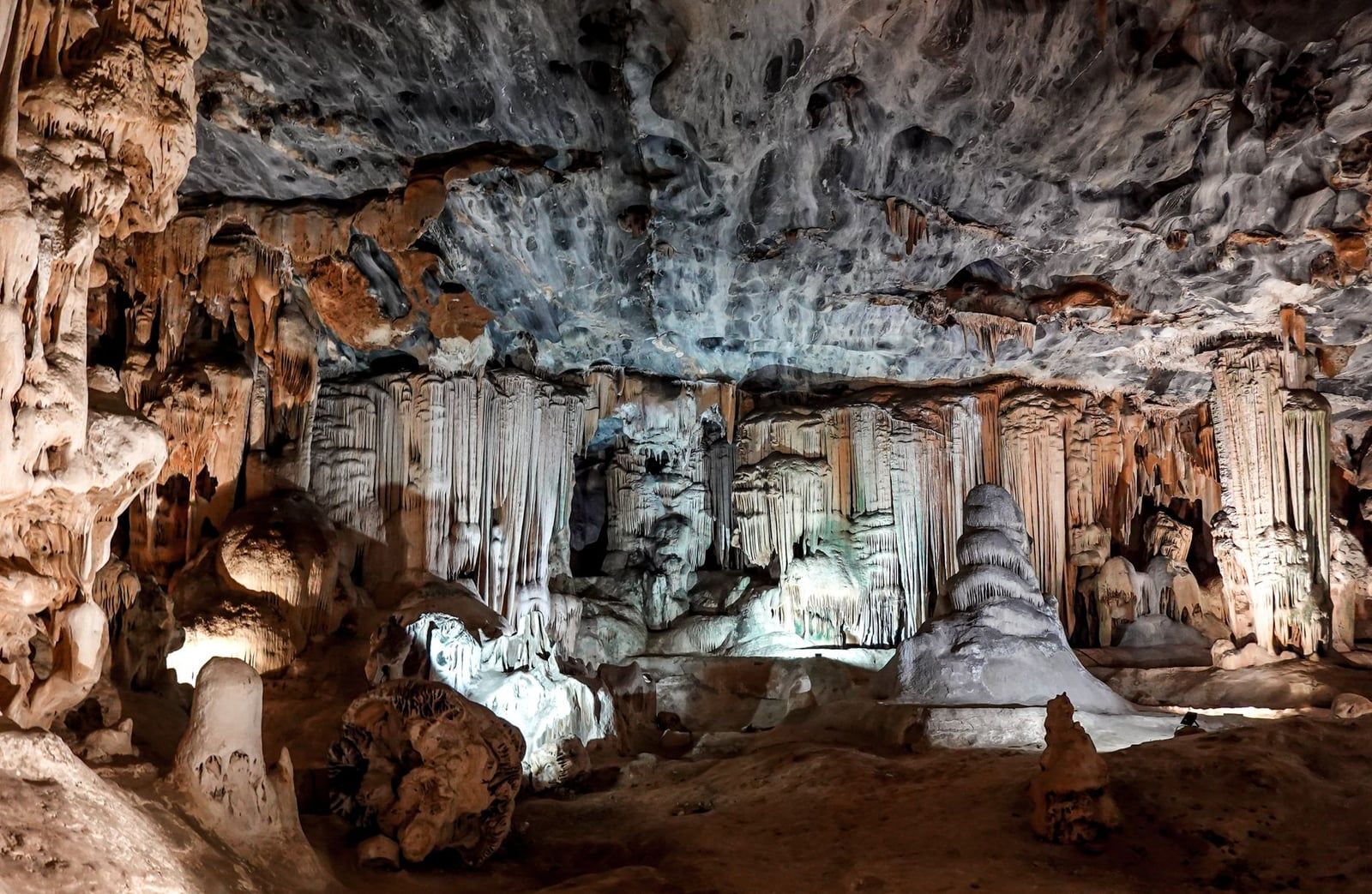
- Cango Caves, Oudtshoorn — Africa's largest show cave; R150 Heritage Tour
Prices above are SANParks international adult rates; South African citizens pay far less (R82 at Storms River Mouth). If you'll visit two or more park sections or add Addo, a Wild Card exempts you from every daily conservation fee and often pays for itself. Only two things need advance booking: the Otter Trail, about a year out, and whale boats in the July–September peak. Everything else is walk-up, though Storms River Mouth and Robberg fill by mid-morning — summer gates open 07:00 sharp. Check current hours and entry fees before you set the itinerary.
Tsitsikamma National Park: suspension bridges, gorge kayaking and the Bloukrans bungee
The eastern end of the route is its best single day out: one park ticket, a famous gorge, the world's record bungy and an 800-year-old tree, all within about 20 km of N2.
Storms River Mouth and the suspension bridges
A boardwalk drops from the rest-camp car park through coastal forest to a chain of suspension bridges spanning the gorge where the dark Storms River meets the ocean. The walk in takes about 15 minutes; allow two hours for the whole visit. Entry is R367 per international adult, R183 per child, and one day ticket covers the bridges, the hiking trails and the kayak launch point. Summer gates run 07:00–18:00, winter 08:00–17:00, and the times are strictly enforced — plan to be through the gate well before closing.
Kayak and lilo up the gorge
Untouched Adventures runs the signature trip: roughly three hours, paddling across the open river mouth and then floating up the narrow forest gorge on inflatable lilos, with an optional cliff jump in summer. It's the best way to see the gorge walls, which stay hidden from the bridges. Rough sea cancels departures, so confirm the morning of rather than driving out on spec.
The Big Tree and canopy ziplines
The Tsitsikamma Big Tree is an 800-year-old Outeniqua yellowwood about 38 m tall, reached on a boardwalk of roughly 1 km round trip from the N2 (extendable to about 3.5 km of forest trail). The permit is R96 per international adult at the Storms River Village gates — card only, no cash. Treetop canopy zipline tours run nearby through the same forest for the adrenaline half of the day.
Bloukrans Bridge bungy
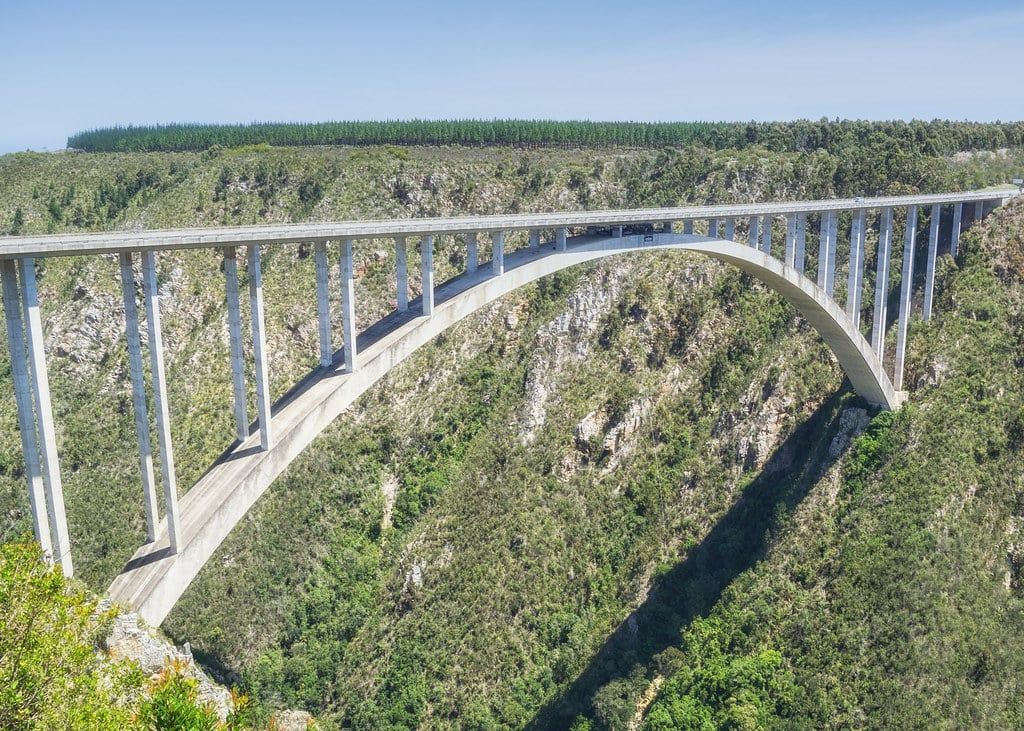
Bloukrans Bridge hangs 216 m above the Bloukrans River gorge and hosts the world's highest commercial bridge bungy — an easy stop right on the N2 between Plettenberg Bay and Storms River. Non-jumpers can walk the Sky Walk out to the jump platform, which is honestly the better photos anyway. Book the jump ahead in peak season; the Sky Walk is walk-up.
Robberg Nature Reserve and the Garden Route's best hikes
If the route has one walk that justifies the drive, it's Robberg — a fenced-off peninsula of seal colony, dune and cliff that packs three circuits into one entry ticket. The Otter Trail and Wilderness's waterfall boardwalk cover the other signature hikes.
Robberg Nature Reserve
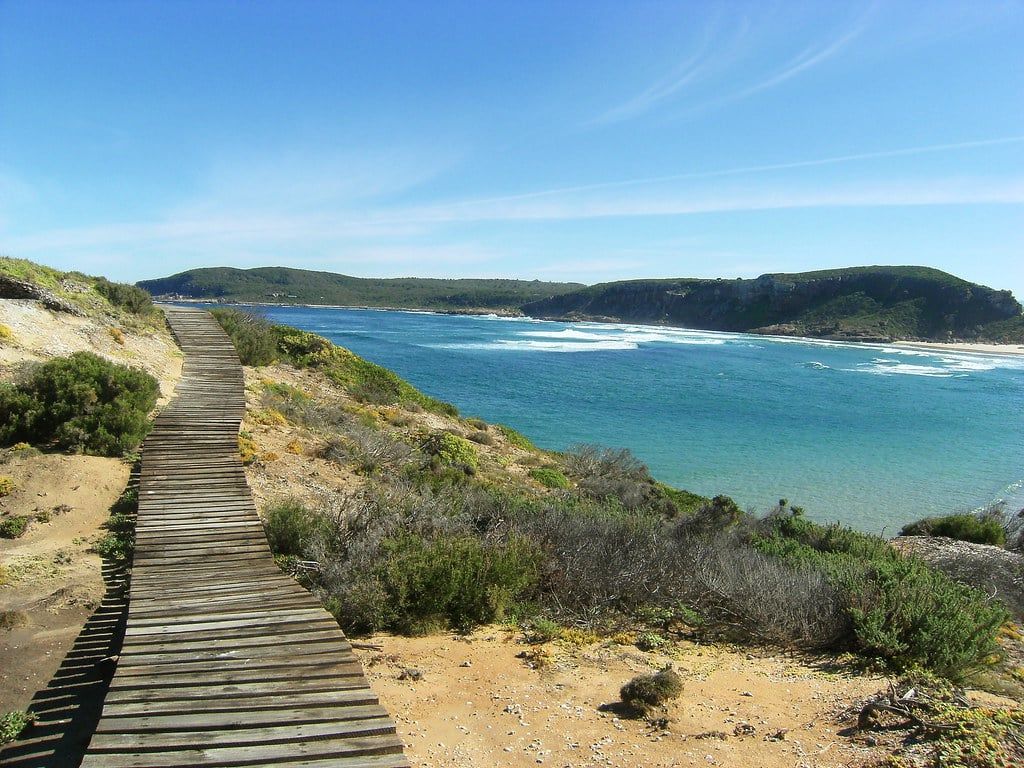
Three circuits start from the same car park: a short 2 km out-and-back to a viewpoint, the 5 km Witsand Circuit (the sweet spot for most visitors), and the 9–10 km Point Circuit around the peninsula tip, which needs 3–5 hours and honest fitness for its sandy and rocky sections. Entry is R65 per adult and R45 per child, though recent visitors report it has crept to R75/R55 — pay at the gate, card preferred. The payoff: a colony of more than 6,000 Cape fur seals, dolphins surfing the point, and whales offshore June–November. Walk clockwise past the Gap to avoid an 80 m trudge up loose sand, and arrive early because parking fills in season. Nelson Bay Cave, on the point, preserves evidence of human occupation stretching back some 120,000 years.
The Otter Trail
South Africa's most famous hike runs 42.5–45 km over five days and four nights between Storms River Mouth and Nature's Valley, with river crossings timed to the tides. It costs R2,561 per person including the serviced huts, and only 12 hikers start each day — it sells out roughly a year ahead, with SANParks opening bookings 11 months out on the first working day of each month. No booking? The day-one section to the waterfall makes a good sampler. The Half Collared Kingfisher Trail in Wilderness (below) covers the easy-walking end of the spectrum.
Knysna: the Heads, lagoon, forest walks and oysters
Knysna is the route's midpoint hub — a lagoon town framed by two sandstone cliffs, with oysters on the waterfront and forest walks above it. A full day here fills easily; two if you add Diepwalle.
The Knysna Heads
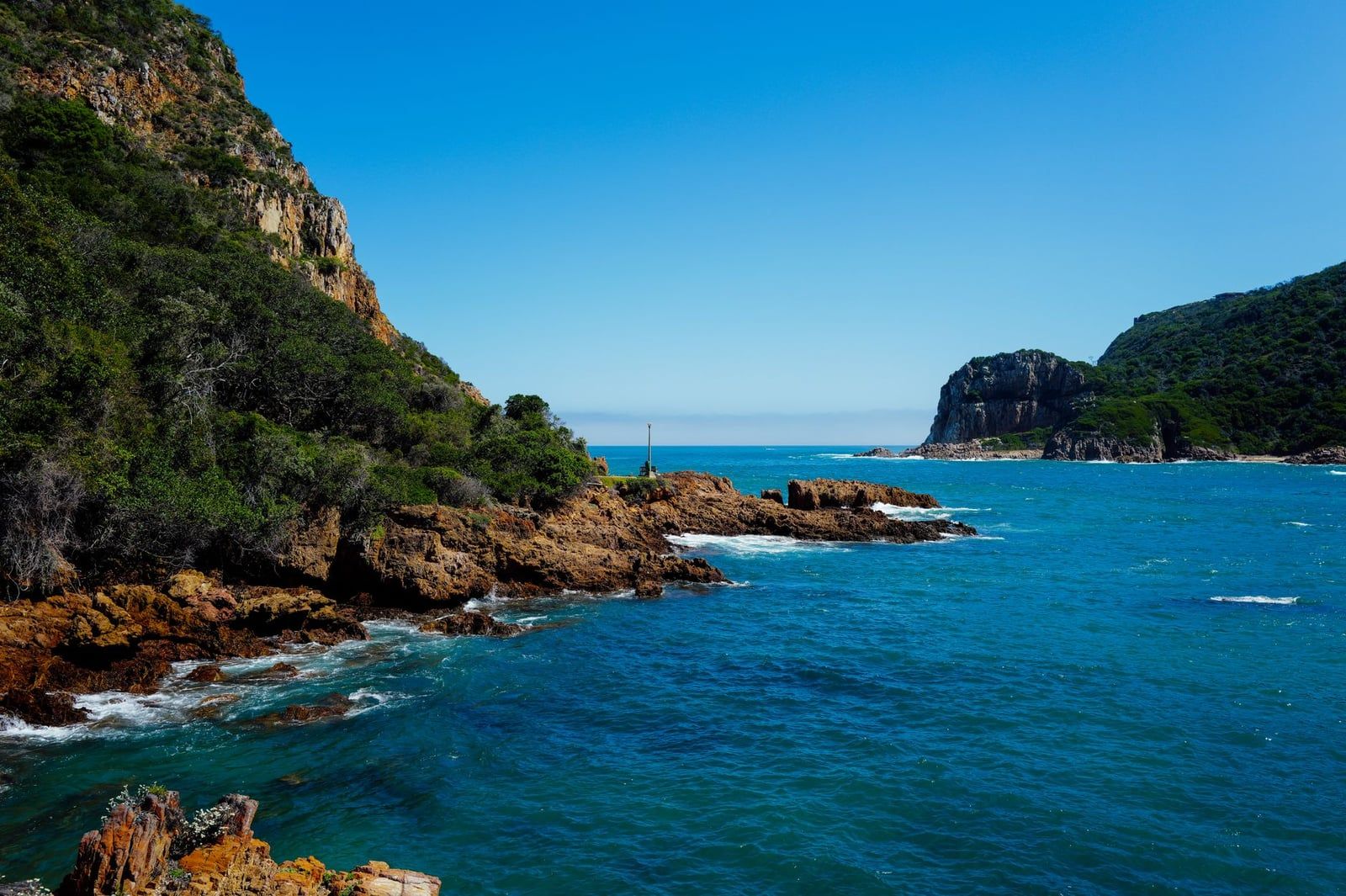
Two sandstone cliffs frame a channel roughly 300 m wide where the Knysna lagoon empties into the ocean. The East Head carries the cliff-edge viewing platforms and a lower wooden footpath down toward the water; parking is limited at peak times, so time your visit for late afternoon, when the light comes off the ocean and the day-trippers have gone. The viewpoints are free.
Lagoon cruises, oysters and a seahorse
A lagoon cruise of about 75 minutes is the easy way to see the Heads from the water, and operators run sunset departures. Back on shore, waterfront restaurants serve fresh oysters year-round, and the Knysna Oyster Festival — running since 1983 — takes over the town for about ten days each July. One small detour most visitors miss: the SANParks tank on Thesen Island holds live Knysna seahorses, an endangered species that survives in only three estuaries on Earth, all on this coast.
Diepwalle forest walks
Three easy loops of 7–9 km each, collectively signposted as the Elephant Walks, start at the Diepwalle Forestry Station above town and thread through dense indigenous forest under yellowwood canopy. The name is historical: the wild Knysna elephants are effectively gone, so go for the forest and the birdlife, not the mammals.
Wilderness: canoeing, waterfall trails and lake country
Wilderness is the calm stretch of the route — a chain of lakes and wetlands between the Outeniqua mountains and the sea, 50 km east of Mossel Bay. You come here to slow down: paddle, walk to a waterfall, sit on a long empty beach.
Canoeing the Touw River
Canoe the Touw River — crocodile-free, with a gentle current and banks busy with pied kingfishers and grey herons — from the Ebb-and-Flow rest camp, where boats are rented by the hour. The SANParks day fee is R235 per international adult. Paragliding outfits launch off the coastal dunes for a different view of the lakes.
The Kingfisher Trail
The Half Collared Kingfisher Trail is the section's signature walk: an easy, shaded, roughly two-hour boardwalk ending at a waterfall and a natural swimming pool. Between the canoeing, the waterfall and the long empty beach, Wilderness fills a slow day without any planning. That's the point of it — couples, birders and anyone needing downtime between adventure days should overnight here rather than push through.
Slow days: beaches, markets, food and drink
Between the hikes and the bungy jumps, the route also does slow well. These are the beaches, the Saturday markets and the meals worth planning a day around.
Beaches
Match the beach to the mood. Nature's Valley, at the end of the Otter Trail, is the emptiest sand on the route; Noetzie is a small cove below forested cliffs; Cola Beach in Sedgefield is a sheltered swim; Wilderness beach is the long walk; Santos Beach in Mossel Bay is the calm family option; Buffalo Bay, near Knysna, works for both swimming and surfing.
Markets and meals
Saturdays are for markets: Harkerville's Saturday Market between Knysna and Plettenberg Bay does a serious breakfast, and Sedgefield's Saturday market scene covers crafts and food stalls. The one meal worth planning around is Enrico's in Keurboomstrand, 15 minutes east of Plettenberg Bay — beachfront Italian with mains around R210–300 and your table looking straight at the surf.
Gin and wine
Knysna Gin Distillery pours a tasting platter of four gins with tonics; a couple's visit with two cocktails and a bottle to take home ran about R550. Cape Saint Blaize distillery does the same in Mossel Bay. Plettenberg Bay's wineries add a tasting stop to the eastern half of the route.
Wildlife, whales and ethical animal encounters
The Garden Route's animal experiences range from world-class whale boats to operations you should walk past. Here's which is which.
Whale watching
Southern right and humpback whales pass the coast June–November, with the highest numbers July–September, and boat trips run from Mossel Bay, Knysna and Plettenberg Bay harbours. Knysna has the edge: Ocean Odyssey is one of the few operators licensed to approach whales as close as 50 metres, versus the 300-metre limit that binds unlicensed vessels — closer views, in dramatic cliff-backed water. On a budget, the cliff paths at Mossel Bay and Plettenberg Bay cost nothing.
The Plettenberg Bay sanctuaries
Monkeyland, Birds of Eden, Jukani and Tenikwa cluster near Plettenberg Bay, each a 60–90 minute guided tour with combined tickets available. Birds of Eden is the headline act: the world's largest free-flight aviary, a two-hectare walk-through dome holding more than 3,500 birds. Easy to burn a full morning across two or three of them.
What to skip
Two honest calls. Knysna Elephant Park has moved to observation-only tourism — no touching, no feeding, no breeding — which makes it a defensible stop; ride-or-touch operations elsewhere on the route are not. And skip swim-with-seals operators near Plettenberg Bay: there have been seal-bite incidents and rabies reports in the seals along this coastline. Watch them from Robberg instead, from ten metres, for R65.
Cango Caves and Oudtshoorn: the Karoo detour
The one inland detour worth leaving the coast for: Africa's largest show-cave system and ostrich country, 55 km north of George over the Outeniqua Pass.
Cango Caves
More than 4 km of limestone chambers and formations in the Klein Karoo below the Swartberg range. The Heritage Tour costs R150 per adult, R100 per child, runs 60 minutes and departs hourly 09:00–16:00, every day except Christmas. The Adventure Tour — 90 minutes of crawling through narrow tunnels — is temporarily unavailable; check the official site before promising it to anyone claustrophobic. The caves are about 40 minutes from George, roughly two hours north of Mossel Bay, and pair naturally with a Route 62 return loop toward Cape Town.
Oudtshoorn
Oudtshoorn calls itself the Ostrich Capital of the World, and the show farms around town back the claim — visits run all day, and meerkat encounters book out ahead. The Klein Karoo semi-desert scenery is the real contrast with the coast: give it a night rather than a lunch stop.
Safari add-ons: Addo self-drive and private game reserves
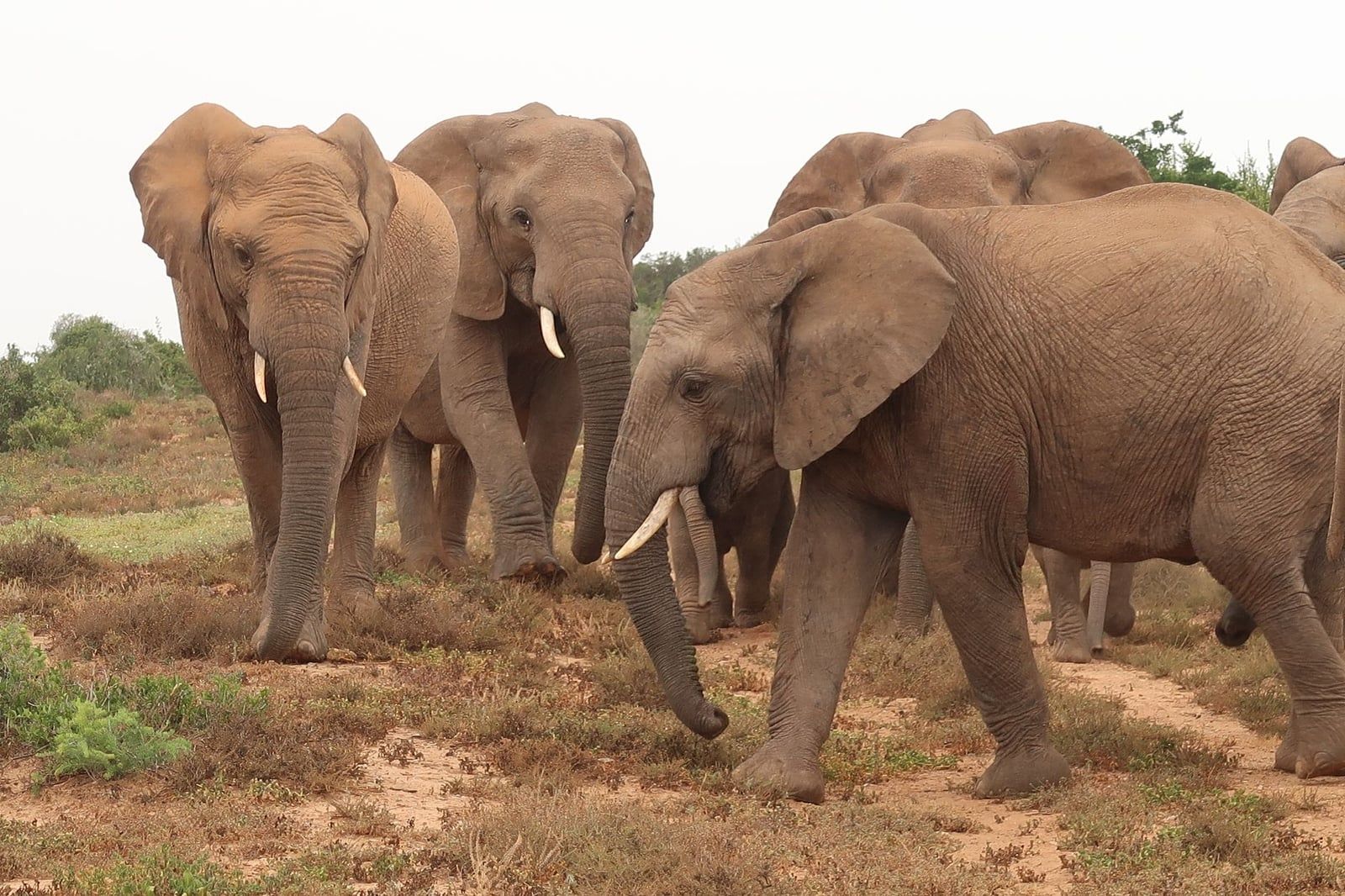
Want to end the road trip with elephants? Two routes do it: drive yourself through Addo, or check into a private reserve near Gqeberha and let a ranger find the animals.
Addo Elephant National Park lies about 220 km east of Storms River, via Gqeberha, and holds one of the densest elephant populations in the world alongside zebra, buffalo and lions — all in a malaria-free park you drive yourself on signposted roads. Budget one or two nights rather than a day trip. If you want guides, trackers and a bed in the bush, the private reserves near Gqeberha — Amakhala alone has more than eight lodges across budgets, Shamwari is the luxury benchmark — do it for you.
| Addo self-drive | Private reserve (Amakhala, Shamwari) | |
|---|---|---|
| Cost | SANParks daily conservation fee only, plus your rental car | All-inclusive lodge rates, typically several thousand rand per night |
| Guiding | None — you drive your own car on graded roads | Guided game drives with a ranger and tracker |
| Sightings | Elephants reliably; lions and buffalo take luck and patience | Big Five sightings actively tracked and near-guaranteed |
| Best for | Independent travellers, families, tight budgets | Special trips, honeymoons, first-time safari-goers |
One expectation to set straight: neither option matches Kruger's scale of wilderness. As a finale to a coastal road trip, though, two nights watching elephants at a waterhole is hard to beat.
Worth-the-detour: Jeffreys Bay, Hermanus, Stony Point and scenic drives
Just beyond the official route sit some of the best free sights on the whole drive. These are the ones that earn their extra kilometres — and one that doesn't.
Hermanus and Stony Point
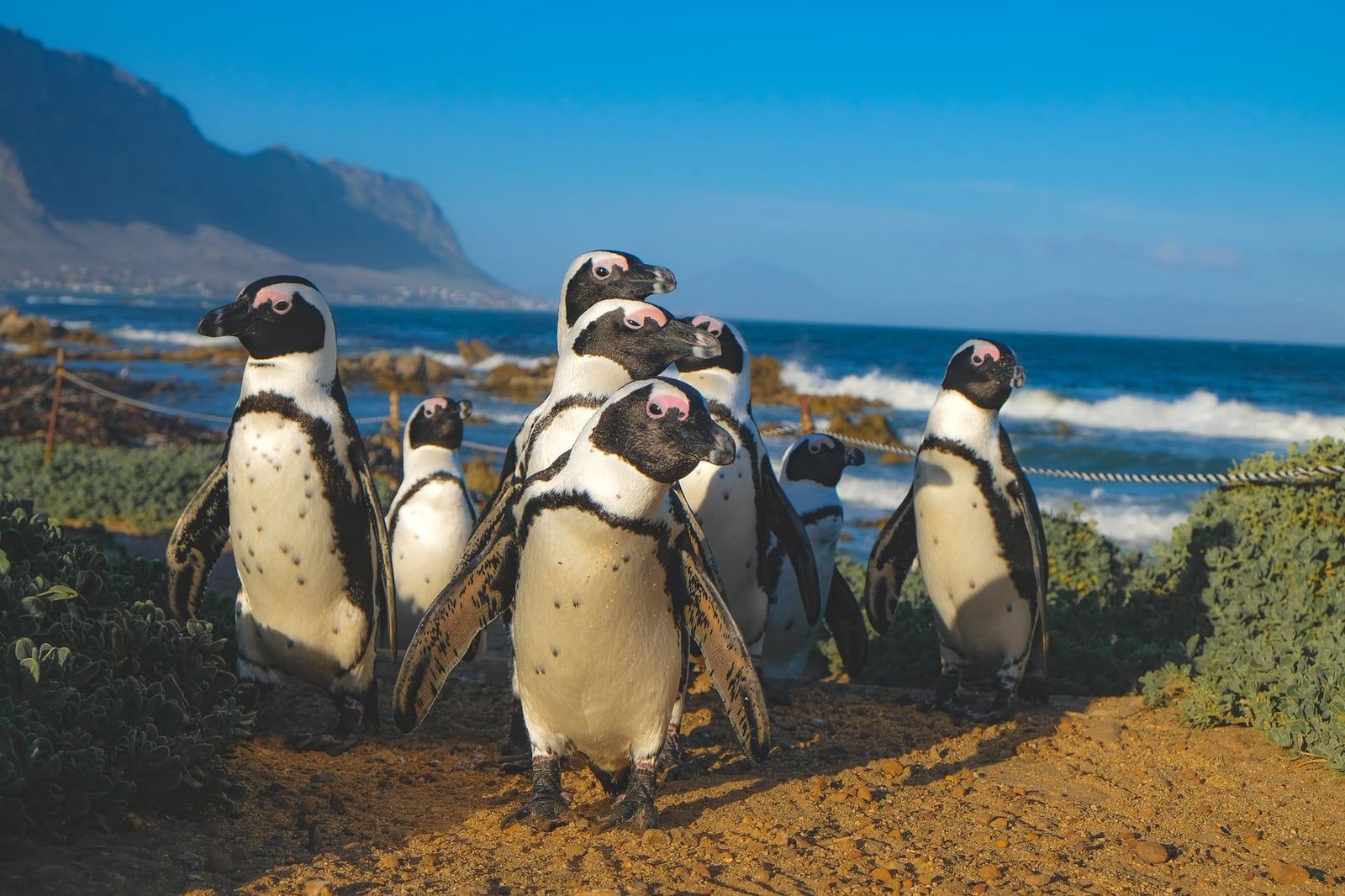
Hermanus, on the approach from Cape Town, is one of the world's best land-based whale-watching towns: a Cliff Walk of more than 10 km along the shoreline, with southern rights close inshore June–November. Betty's Bay, on the same coastal stretch, holds the Stony Point African penguin colony — boardwalk access for R40 per person, against R215 at the better-known Boulders Beach, and quieter with it. Do both on the drive down and skip nothing on the route itself.
Clarence Drive and the 7 Passes Road
Clarence Drive (the R44) hugs the cliffs between Gordon's Bay and Rooi-Els for a free 15–30 minutes that beats Cape Town's tolled Chapman's Peak Drive (R66) on most days. Inland, the 7 Passes Road runs 75 km between George and Knysna over seven historic mountain passes on a mix of tar and gravel — scenic in the dry, treacherous in the wet, so take it slowly or not at all after rain.
Nature's Valley, Keurboomstrand and Jeffreys Bay
Nature's Valley and Keurboomstrand, either side of Tsitsikamma, are the quiet beach escapes — base in one if the bigger towns feel busy. Jeffreys Bay, further east, is a different verdict: the Supertubes break is world-famous and the surf schools are good, but if you don't surf, drive past.
Best time to visit the Garden Route: a season-by-season planner
The climate is temperate year-round and rain can fall in any month, so there's no bad time — only trade-offs. Here's what each season is actually for:
| Season | Weather | Best for | Trade-off |
|---|---|---|---|
| Summer (Dec–Feb) | Daytime highs 20–28°C | Beaches, swimming, all activities | Peak crowds, school holidays, highest prices |
| Autumn (Mar–May) | 18–25°C, mostly dry | Best all-round window: hiking, quiet beaches | Cooler sea for swimming |
| Winter (Jun–Aug) | Roughly 8–20°C, June the wettest month | Whales, Oyster Festival in July, lowest rates | Rain risk, chilly mornings |
| Spring (Sep–Nov) | Mild, warming | Wildflowers (Aug–Sep), whales through November | Shoulder-season pricing only until November |
The verdict: autumn and spring — roughly March–May and September–October — give the best mix of warm weather, thin crowds and lower rates, and February–April is the single best-value stretch. Come June–November specifically for whales, and expect December to cost you twice what April does.
Practical planning: how long you need, driving, safety and where to stay
The logistics that decide whether the trip works: day counts, the car, the safety picture and where to sleep each night.
How many days
Four days is the workable minimum for Mossel Bay to Storms River; five to seven is the sweet spot; seven to ten if you're adding Oudtshoorn and Addo and looping back. A realistic three-day version exists but is mostly driving. A solid five-day split: one or two nights Wilderness or Knysna, two or three in Plettenberg Bay, one in Storms River — our five-day Garden Route itinerary breaks it down day by day, and there's a three-day short itinerary if that's all you have.
Driving and safety
Rent in Cape Town or George and drive west to east; a one-way drop in Gqeberha costs about R1,800 and saves an 800 km return. The N2 is well-surfaced and a normal car is fine — only the scenic detours like the 7 Passes and Swartberg Pass turn to gravel. Self-driving is regarded as one of South Africa's safer road trips, with conditions: plan town-to-town legs for daylight, because rural stretches are unlit and baboons, livestock and pedestrians appear after dark. Petrol stations have attendants who pump your fuel — a R5–R20 cash tip is normal — and you'll want cash anyway for small towns, though park gates increasingly take card only. Download offline maps; signal is patchy between towns.
Without a car
It's possible with compromises. The Baz Bus runs a hop-on-hop-off shuttle that stops at hostels along the route, and Intercape coaches link the bigger towns. Public transport doesn't reach the smaller stops, though, so most car-free travellers take guided multi-day tours from Cape Town — three to five days is typical, with pickup included.
Where to stay
Plettenberg Bay is the prime multi-night base — central, close to Robberg, the sanctuaries and Tsitsikamma, with beaches in town. Knysna and Wilderness are the quieter alternatives; Storms River or Tsitsikamma Village suit the final night before Addo. Our Garden Route accommodation guide covers the options by budget and town.
Garden Route FAQs
The questions that come up most when planning this trip:
Frequently asked questions
How many days do you need for the Garden Route?
Four days is the minimum; 5–7 days covers Mossel Bay to Storms River without rushing, and 10+ lets you add Addo, Oudtshoorn and the Route 62 return loop. The Mossel Bay–Storms River drive itself is only 2–3 hours — the stops are the trip.
Where does the Garden Route start and finish?
Officially Mossel Bay (Western Cape) to Storms River (Eastern Cape), about 200 km on the N2. Most travellers drive the longer ~750 km between Cape Town and Gqeberha, usually starting from Cape Town.
What is the best month to visit the Garden Route?
Autumn (March–May) and spring (September–October) offer the best weather-crowds-price mix, with February–April the standout value window. June–November brings whales; December–February brings beach weather plus peak crowds and school-holiday prices.
Is it safe to self-drive the Garden Route?
Yes — it's considered one of South Africa's safer self-drive routes. Drive in daylight, avoid rural stretches at dusk, keep valuables out of sight, and carry some cash for small towns. Petrol attendants pump your fuel; a R5–R20 tip is customary.
Can you do the Garden Route without a car?
Yes, with compromises: the Baz Bus hop-on-hop-off shuttle serves the route for backpackers, Intercape coaches link major towns, and guided multi-day tours from Cape Town or Gqeberha cover the highlights. A rental car remains the easiest option.
Is the Garden Route worth visiting?
Yes — beaches, forests, lakes, cliffs and a safari add-on compressed into about 200 km, all malaria-free. The honest caveat: game viewing along the route doesn't match Kruger, so treat Addo or a private reserve as an add-on rather than the core.
What is the most beautiful part of the Garden Route?
Tsitsikamma — Storms River Mouth, the suspension bridges and the forest-meets-ocean coastline — and Robberg near Plettenberg Bay top most rankings, with the Knysna Heads at sunset close behind.
How much do the Garden Route's main attractions cost?
Headline fees: Storms River Mouth R367 per international adult, Robberg R65, Stony Point penguins R40, Cango Caves R150 (Heritage Tour). South African citizens pay far less at SANParks gates, and a Wild Card waives daily fees entirely. The priciest paid activities are the Bloukrans bungy and whale-watching boat trips — check operator sites for current prices.